SpaceX Rejects Military Work as Spanish Rocket Nears Final Assembly
The aerospace sector sees shifting dynamics as SpaceX turns down federal contracts while European rivals and Canadian startups push forward with capital raises and integration milestones.
By Xiaoyu Wang ·
The launch market is witnessing a notable shift in strategy as major players adjust their postures toward government contracts and commercial expansion.
This week marked a pivotal moment for SpaceX, which informed the U.S. Space Force that it would not accept three offered military launch contracts. The decision signals a potential realignment in how the company approaches its relationship with federal defense clients. Simultaneously, on the civil side of the industry, a NASA safety panel indicated that the Starship vehicle may require up to 22 refueling operations to support a lunar landing, a technical detail that could influence future budgeting and operational planning for the program.
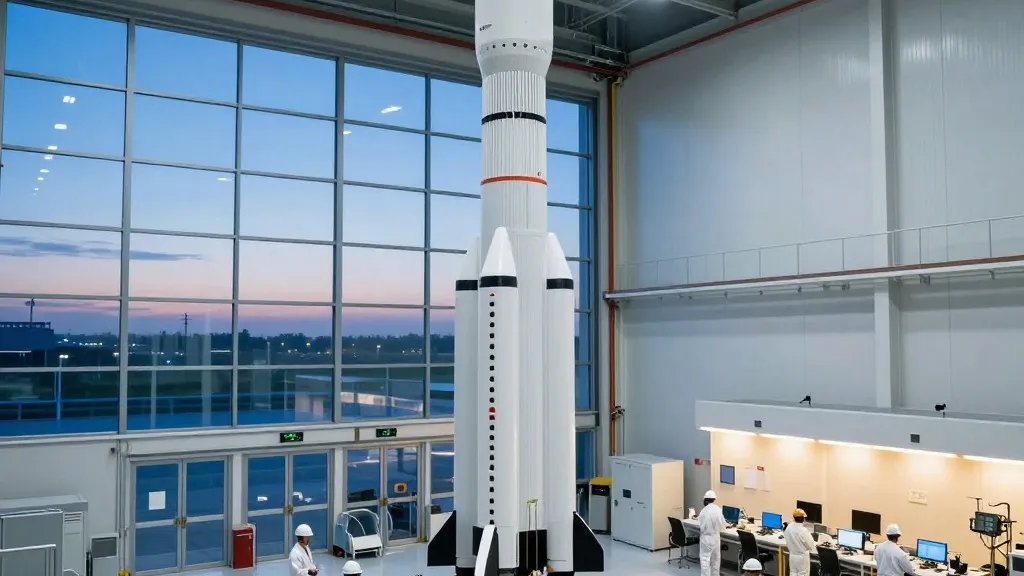
In Europe, PLD Space is advancing its Miura 5 small-lift rocket, which is slated for its inaugural flight before mid-2027. The company announced on October 19 that the vehicle is nearing final integration. CEO Raúl Torres noted that the production of three Miura 5 units has allowed their teams to apply lessons learned from qualification campaigns directly to the launch vehicle. One second stage is currently at the Teruel test facility, where it will undergo system-level testing, including a wet dress rehearsal and a static hot-fire test. The other two units were designed to qualify key system elements, establishing a foundation for the upcoming flight.
Across the Atlantic, Reaction Dynamics is pursuing significant capital to scale its operations. The Canadian startup is seeking to raise $350 million, a move intended to grow its workforce from 68 to more than 350 employees. This funding is critical for the development of the Aurora small-lift rocket, which the company hopes will reach orbit by 2028. Additionally, Reaction Dynamics has outlined plans for a medium-lift rocket named Borealis, targeting a debut by 2031. These moves reflect a broader trend among emerging launch providers to secure long-term financial stability while developing multi-stage vehicle architectures.
The convergence of these events highlights a maturing launch industry where established giants are selective about their contract portfolios, while newer entrants focus on aggressive scaling and technical validation. For investors and market observers, the rejection of military work by SpaceX may indicate a preference for maintaining operational flexibility or prioritizing civil space missions. Meanwhile, the progress of PLD Space and Reaction Dynamics suggests that the competitive landscape for small and medium-lift capabilities is becoming increasingly robust, with multiple firms aiming to reach orbit within the next five years. As these vehicles move through their final testing phases, the market will be watching closely for any delays or accelerations that could impact the timeline for commercial availability.
Source: Ars Technica