Moon mission needs more rockets
A former astronaut warns that NASA may need twenty-two Starship launches to reach the lunar surface.
By Mei Ling ·
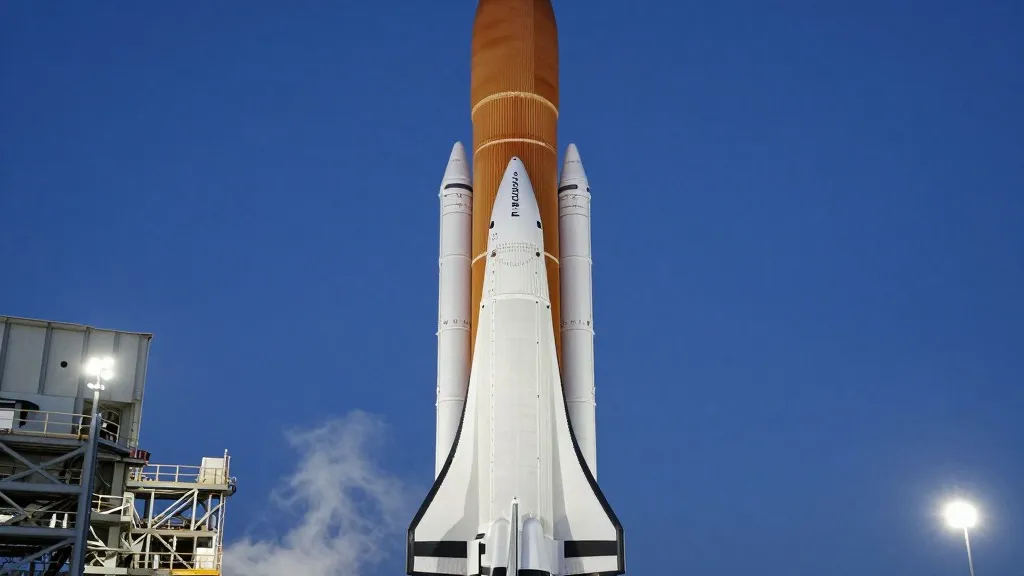
NASA has historically kept a specific figure under wraps, treating it with the same secrecy usually reserved for nuclear codes. This number represents the total count of Starship rockets required to fuel a lunar lander in low Earth orbit. The lander must carry enough propellant to travel to the Moon, touch down, and return to orbit. For years, agency officials have avoided pinning down this metric, often stating that they lack the certainty to provide a precise answer.
In 2023, Lisa Watson-Morgan, who then led the Human Landing System office, told Ars Technica that the agency had a general idea but was reluctant to specify the exact figure. She later described the estimate as falling between high single digits and low double digits. This range implied roughly a dozen launches. Under such a scenario, SpaceX would need to launch one depot Starship followed by eleven tanker Starships to load it with liquid oxygen and methane. Other officials have previously cited high teens as the required number.
The primary hope for reducing this count has been a dramatic increase in Starship lift capacity. If the rocket can carry more fuel per flight, the total number of tanker missions would drop. However, concerns are now growing among some NASA officials. They fear that significant improvements in lift capacity may not arrive soon enough. This timeline gap could prevent Starship from playing a meaningful role in returning humans to the Moon within the current decade.
New details emerged during a quarterly meeting of the NASA Aerospace Safety Advisory Panel held on Thursday. Charlie Precourt, a former NASA astronaut and panel member, addressed the risks associated with the Artemis Program. He discussed the logistical challenges of landing humans on the lunar surface. His comments highlighted the uncertainty surrounding the launch requirements and the potential impact on the program schedule.
The shifting estimates reflect the evolving nature of the technology. As SpaceX develops its heavy-lift vehicle, NASA must adjust its planning accordingly. The agency balances the desire for a robust lunar return with the practical limitations of current rocket performance. This tension creates a complex planning environment where every additional launch adds cost and risk.
The coming months will be critical for the Artemis timeline. NASA must decide how much reliance to place on Starship for the lunar lander. If the lift capacity does not improve as hoped, the number of required launches will remain high. This could strain the program's budget and schedule. Stakeholders are watching closely to see how the agency navigates these technical and logistical hurdles.
The next steps involve further analysis and potential design changes. NASA and SpaceX will likely continue their coordination to optimize the fueling process. The goal remains to land astronauts on the Moon and bring them back safely. Achieving this objective requires a precise understanding of the launch requirements. The transparency shown in recent meetings suggests a new level of openness about the challenges ahead.
Source: Ars Technica