Warhound Secures $200 Million to Develop Genetically Modified Canines for Military Service
A new venture backed by Colossal Biosciences and Anduril aims to clone high-performing working dogs to reduce breed-specific health risks.
By Dmitri Sokolov ·
The intersection of biotechnology and defense contracting has produced a new venture focused on the biological engineering of military working dogs. Warhound has announced the completion of a funding round totaling $200 million, capital that will be used to breed gene-edited canines for the United States military and equip them with specialized protective gear. The initiative represents a collaborative effort between Ben Lamm, a co-founder of Colossal Biosciences, and Palmer Luckey, the founder of Anduril Industries.
The company has already initiated the genetic modification process for its first cohort of animals. According to Lamm, scientists are currently working with cell samples derived from top-performing dogs currently serving in military, police, and first responder units across the nation. The donor pool primarily consists of Belgian Malinois, with a smaller number of Labrador Retrievers and German Shepherds included. The technical process involves modifying the genetic material of these donor cells and subsequently using them to clone new animals through a process managed by Colossal Biosciences.
The initial phase of this research is designed to address prevalent health issues that affect these specific breeds. The primary goal is to lower the probability of dogs developing hip dysplasia and certain types of cancer, conditions that often shorten the working lives of these animals. Lamm indicated in an interview with TechCrunch that the company may pursue further genetic enhancements in the future. Potential future modifications could include improvements to speed, agility, or olfactory acuity, although these are not yet part of the immediate operational plan.
The leadership behind Warhound brings significant experience from the technology and defense sectors. Palmer Luckey is known for founding Oculus VR and designing the Oculus Rift headset. His defense firm, Anduril, has established several high-profile partnerships, including a 2024 collaboration with OpenAI to develop artificial intelligence for the Department of Defense. Anduril also recently secured a contract with the U.S. Army to co-develop a next-generation battlefield intelligence system with Palantir. Ben Lamm’s firm, Colossal Biosciences, is recognized for its work in de-extinction, including projects claiming to have revived the dire wolf and ongoing efforts to resurrect the woolly mammoth.
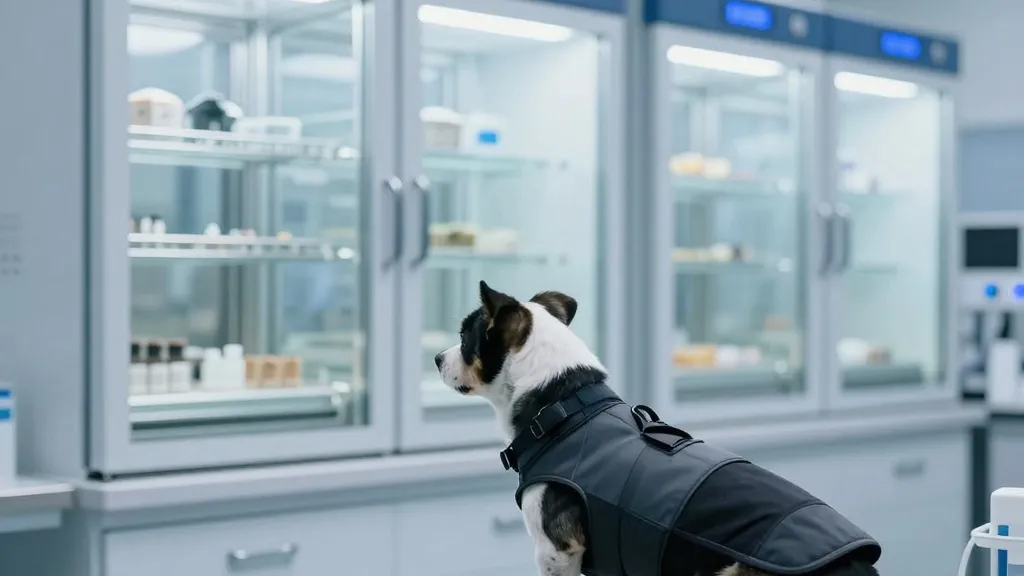
The division of labor between the partners is clearly defined, with Anduril focusing on hardware and software rather than biological engineering. Warhound is not currently planning to create cyborg dogs. Instead, Anduril will design the protective equipment and the software systems that operate them. This gear is intended to safeguard the animals during their duties and includes items such as protective goggles, tactical vests, and body armor.
The corporate structure of the startup differs slightly from its public-facing partnerships. While Palmer Luckey is listed as a partner in the business, neither he nor Anduril holds an equity stake in the company. Colossal Biosciences does hold equity in Warhound, and Ben Lamm serves on the company’s board of directors. The day-to-day leadership is held by David Spirk, who is serving as the chief executive officer. Spirk’s most recent professional role was at Palantir, a technology company known for its data analytics and software platforms.
Warhound projects that the first group of genetically engineered dogs will be born in early 2027. These animals will undergo training for the same operational roles currently performed by traditional working dogs. Key duties include detecting explosives and supporting search and rescue missions. The company aims to create a new standard for military canines by combining genetic optimization with advanced protective technology.
The funding and timeline suggest a rapid deployment strategy for this new category of military asset. By leveraging existing biological data from proven working dogs, the company seeks to mitigate the biological risks that often limit the career span of military canines. The collaboration between a biotech firm and a defense technology provider marks a distinct approach to enhancing the capabilities of working animals in high-stakes environments.
Source: Engadget
More Business · Tech news · Consumer Alerts · Report a business