US mediation secures temporary halt in fighting to clear mines in Oleshky
A negotiated ceasefire begins in late October to facilitate the transport of goods and the evacuation of residents from a besieged town in Kherson Oblast.
By Kateryna Melnyk ·
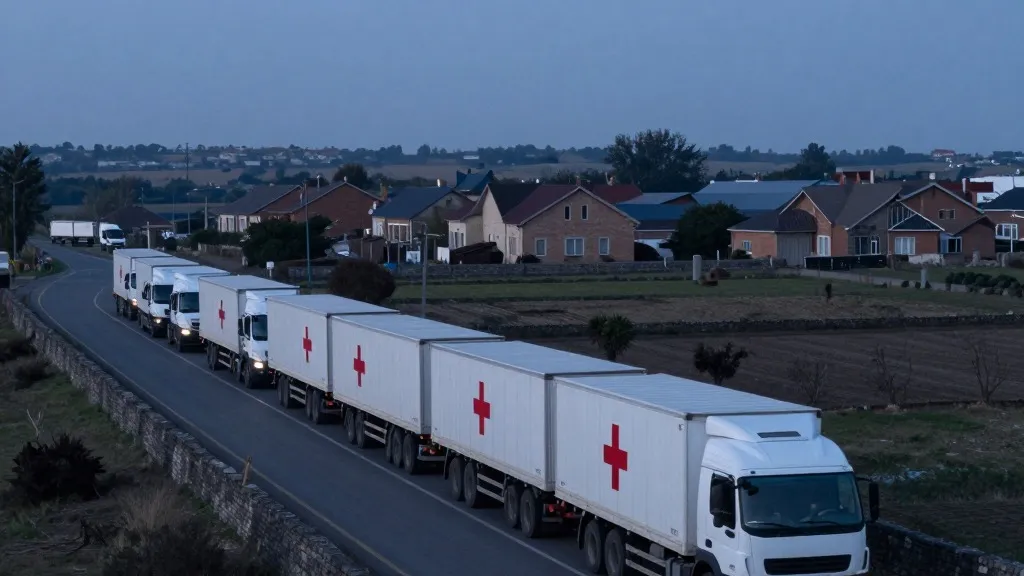
A temporary truce is set to begin on the night of 27 October, creating a narrow window for a critical humanitarian operation in the town of Oleshky. This pause in hostilities is the direct result of American diplomatic efforts aimed at stabilizing the situation in Kherson Oblast. The primary goal is to clear a path for supplies to enter the area and for civilians to exit the zone of conflict.
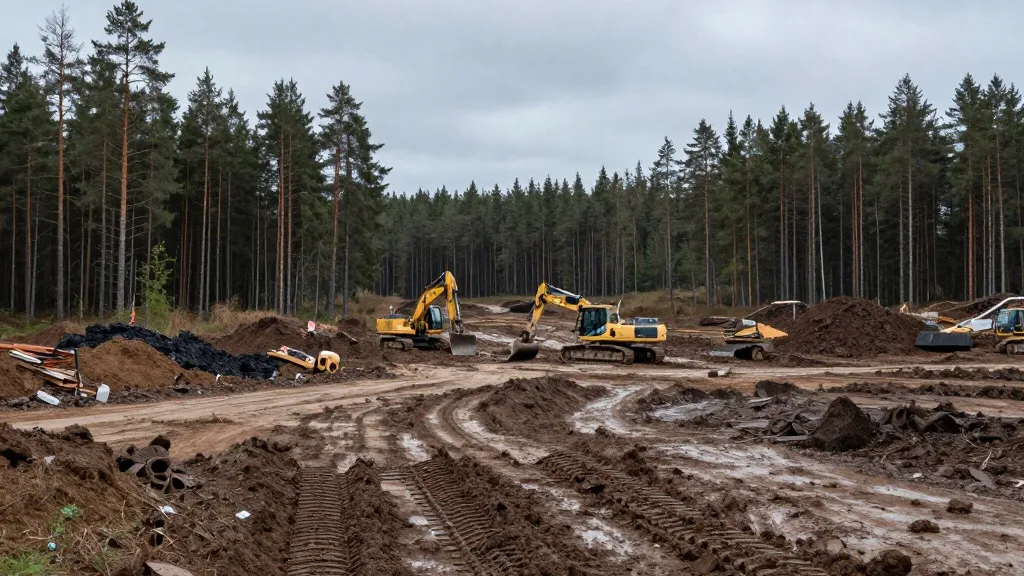
Ukrainian President Volodymyr Zelenskyy indicated that the arrangement should be implemented in the near future. He emphasized that the current state of affairs on the ground is severe. The Russian military has planted mines along the roads in the temporarily occupied sections of the region. These obstacles have effectively blocked the flow of essential goods and the movement of people, turning the local infrastructure into a complex logistical challenge.
The White House stated that First Lady Melania Trump played a key role in securing this agreement. The administration described the ongoing conditions in Oleshky as a humanitarian disaster. By framing the issue in these terms, the US highlighted the urgency of establishing a functional corridor for aid. The Kremlin, through spokesperson Dmitry Peskov, confirmed that Russia had agreed to the ceasefire to allow the mission to proceed.
From a market perspective, the operation represents a targeted intervention to restore basic supply chains. The plan is to deliver food and medicine to the population while facilitating the departure of residents from the combat zone. This is not a broad economic stabilization measure, but a specific logistical project designed to prevent a total collapse of local living conditions. The success of this operation will serve as a test case for future negotiations regarding access routes.
Zelenskyy noted that talks have been ongoing at various levels for some time. He stated that Ukraine is prepared to fulfill its obligations in the process. The President expressed confidence that the American mediation would produce the desired results. This reliance on a third-party broker suggests that direct bilateral negotiations had reached a stalemate, necessitating external pressure to break through.
The operational timeline is now set. Dmytro Lubinets, Ukraine's Parliamentary Commissioner for Human Rights, confirmed that the humanitarian operation will take place on 29 October. This date falls within the designated ceasefire period. The timing is crucial for logistics teams to mobilize resources and personnel. Any delay could compress the window for effective delivery and evacuation.
There are still open questions regarding the durability of the ceasefire. The agreement is limited to a designated area and a specific timeframe. It does not represent a broader shift in the military strategy of either side. The mining of roads remains a significant physical barrier that must be cleared before normal transport can resume. The cost of de-mining and the security risks involved are not detailed in the current public statements.
For working families in the region, the immediate benefit is the potential to access fresh food and essential medications. The ability to leave the combat zone offers a route to safety for those who wish to relocate. The success of this mission will depend on the strict enforcement of the truce and the efficiency of the logistical teams. Investors and observers will watch this development closely as a gauge of the feasibility of humanitarian corridors in contested territories.
The situation in Oleshky highlights the intersection of military tactics and economic necessity. A town under occupation requires a steady inflow of resources to maintain basic stability. The current blockade has forced the local economy into a state of emergency. The upcoming operation aims to reset this dynamic, at least temporarily, by opening the arteries of trade and movement that have been closed since the start of the siege.
As the 27th approaches, the focus shifts from diplomatic statements to on-the-ground execution. The coordination between the Ukrainian and Russian general staffs, facilitated by American mediation, must hold under pressure. The coming days will reveal whether this truce is a sustainable mechanism for aid delivery or a brief pause in a longer struggle. The outcome will have direct implications for the cost of living and the safety of residents in Kherson Oblast.
Source: Ukrainska Pravda
More Business · World news · Consumer Alerts · Report a business