Trump Pushes Data Centers to Pay Local Energy Dividends
The president is demanding that AI infrastructure builders share surplus power costs with nearby residents to reduce community backlash.
By Andrew Fletcher ·
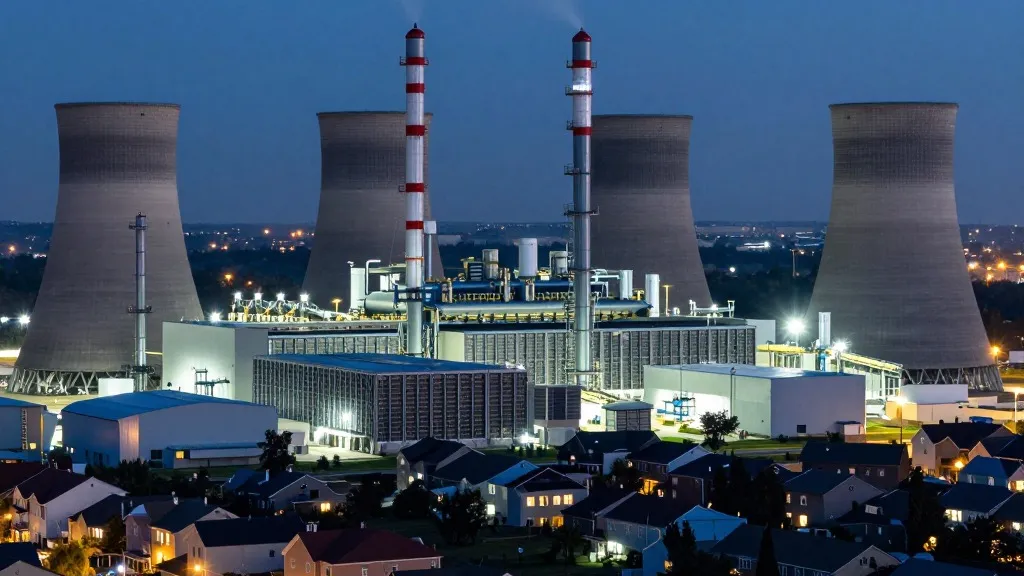
Tensions are rising between massive artificial intelligence facilities and the small towns that host them. Local residents are increasingly frustrated by higher electricity bills, noise, and environmental strain caused by these energy-hungry operations. In response, President Donald Trump has proposed a new approach that aims to turn these facilities from neighbors who take resources into partners who share the benefits.
The core of the proposal is a mandate for data center developers and major cloud providers to pay a dividend to the local communities they impact. This is not a voluntary gesture. The administration intends to require these companies to offset the price hikes that residents experience due to increased power demand. By sharing the financial burden, the goal is to make the presence of these data centers more acceptable to the people living nearby.
A key component of this strategy involves the management of electricity generation. The administration has previously instructed these companies to generate their own power. Under the new directive, any excess energy produced by these facilities should be given to or sold back to the local community. This mechanism is designed to prevent local energy costs from rising and could potentially even lower them for nearby households.
This move is part of a broader effort to keep the United States competitive in the global AI race, particularly against China. The administration recognizes that winning this technological competition requires building extensive infrastructure. However, political support is needed to get these projects approved and built. By offering a financial incentive to local residents, the government hopes to smooth the path for new construction.
The specific form of the dividend is still being determined, but it will likely focus on electricity costs. A recently passed act already requires data centers to pay for grid upgrades to prevent those costs from being passed on to local taxpayers. The new energy dividend would build on this by directly addressing the rising utility bills that are a primary source of complaint among residents.
Trump emphasized the practical benefits of this deal-making approach in a social media post. He noted that data centers that were once unpopular in certain areas have become extremely popular once a financial agreement was reached. He urged developers to make deals to ensure these projects get built quickly.
Despite the optimistic framing, significant challenges remain. Money is only one part of the equation. Communities also face issues such as high water consumption, ecological damage, and air pollution. These environmental factors continue to make data centers a difficult sell in many locations, regardless of any financial compensation.
The success of this mandate will depend on how it is implemented in practice. Whether the energy dividends will be sufficient to win over skeptical communities is yet to be seen. For now, the administration is betting that sharing the energy bill will help bridge the gap between tech giants and the towns that host them.
Source: Tom's Hardware