Apple Doubles Down on Foldable: Production Targets Jump as Delivery Delays Sting Early Buyers
Supply chain data reveals Apple has significantly increased manufacturing output for the iPhone Duo, citing unprecedented pre-order volumes that have already pushed initial shipping dates into late January.
By Marcus Johnson ·
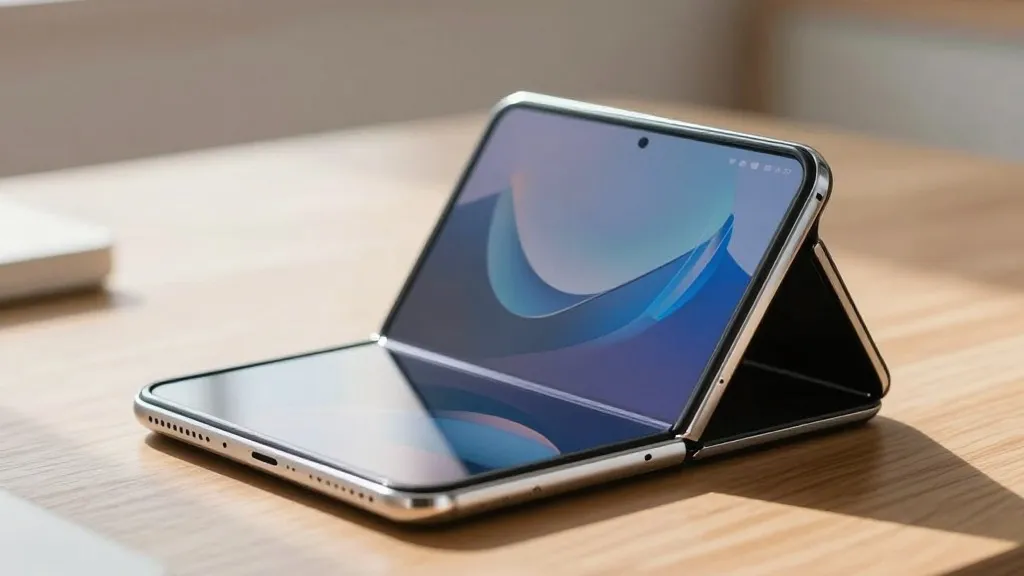
The excitement surrounding Apple’s first folding smartphone has hit a snag for early adopters, with many finding their delivery timelines stretching further than anticipated. While the device was highly anticipated, the immediate aftermath of its launch has revealed a significant gap between consumer eagerness and initial supply capacity. This tension is now driving a major strategic shift in how the company approaches manufacturing for this new hardware category.
Pre-orders for the iPhone Duo opened on Friday, and the response was immediate. Within minutes, customers reported seeing extended delivery dates, with some estimates pushing out to late January. Apple attributed these delays to what the company termed “extraordinary” demand for the new device. However, skeptics noted that this specific phrasing has been a staple of Apple’s marketing language for standard iPhone launches in the past, raising questions about whether the delays were truly due to a surge in interest or simply a conservative initial supply strategy. To prevent the market from being dominated by resellers, Apple implemented a limit of two units per customer during the pre-order phase.
Recent reports from DigiTimes, which draw on supply chain sources, suggest the delays were indeed driven by high demand rather than a lack of initial inventory planning. The data indicates that Apple has responded by ramping up production significantly. The company has reportedly boosted its shipment targets for the first twelve months from 9.7 million units to 14 million. This represents an increase of more than 40%, signaling a confident bet that the strong initial interest will sustain itself well beyond the launch window.
Despite the production boost, early users are already navigating the growing pains associated with a new form factor. A major point of contention in the first week of reviews is the state of third-party app compatibility. Many developers have not yet optimized their software for the unique display of the folding device, leading to a consistent criticism across early reviews. Apple maintains that the situation is improving rapidly as developers update their applications, but the current experience remains a hurdle for some.
Another notable shift in the device’s design language is the move away from Face ID. The iPhone Duo utilizes Touch ID instead, a decision that drew mixed reactions from the tech community. However, new reports emerging today suggest that this change may not be permanent for the product line. Industry insiders indicate that Apple is already testing prototypes for the iPhone Duo 2 that feature Face ID, hinting that the company is actively refining its biometric security approach for future iterations of the foldable.
The rapid adjustment of production numbers highlights the delicate balance Apple must strike when introducing a new category of hardware. While the increased output aims to alleviate the current backlog, the focus now shifts to software stability and user experience. As the first wave of devices reaches consumers, the coming weeks will determine whether the “extraordinary” demand translates into long-term satisfaction or if the early hiccups in app support and delivery timing leave a lasting mark on the product’s reputation.
Source: 9to5Mac