Tesla Shifts Self-Driving Goalposts with Restricted Rollout
The automaker has announced a new schedule for autonomous features, but the plan comes with strict limitations on where vehicles can operate.
By Marcus Johnson ·
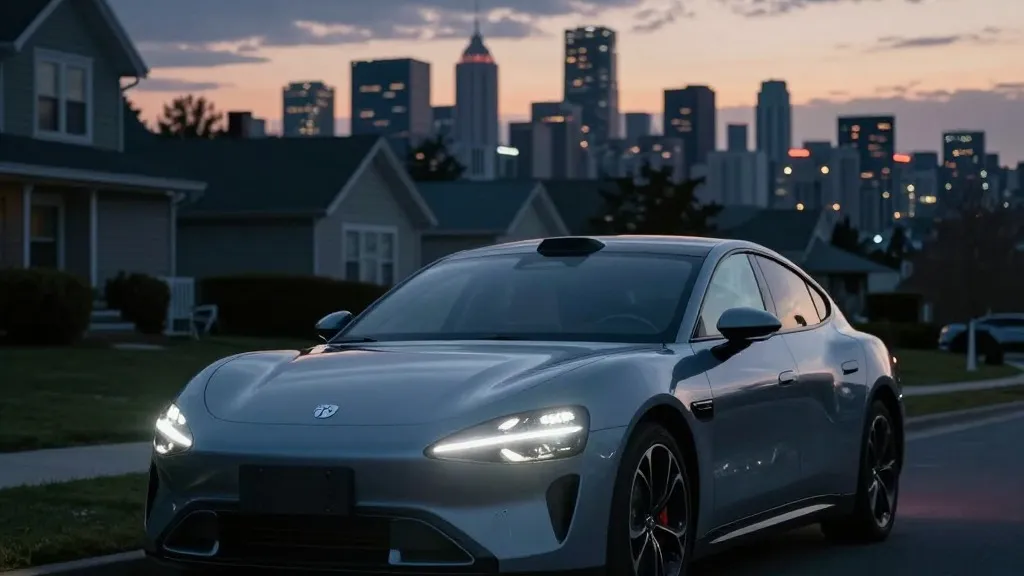
Tesla has set a new date for driverless travel: Q2 2027. This marks the latest timeline for a feature the company has promised buyers for nearly a decade. However, the plan comes with a major restriction. On the Q3 2026 earnings call, AI chief Ashok Elluswamy clarified that this release does not mean a car can drive its owner anywhere they wish. Instead, it allows owners to add their vehicles to Tesla's managed Robotaxi fleet. The car would only drive itself in areas where Tesla already operates its service.
The request came from shareholders. A question regarding unsupervised Full Self-Driving in customer cars was a top retail query for the call. It was backed by about 1.1 million shares. Elluswamy provided the Q2 2027 date in response. He described a process where a car joins a network Tesla runs. This differs from the original promise made to customers since 2016. That vision was a car that could drive a person to a destination while they slept.
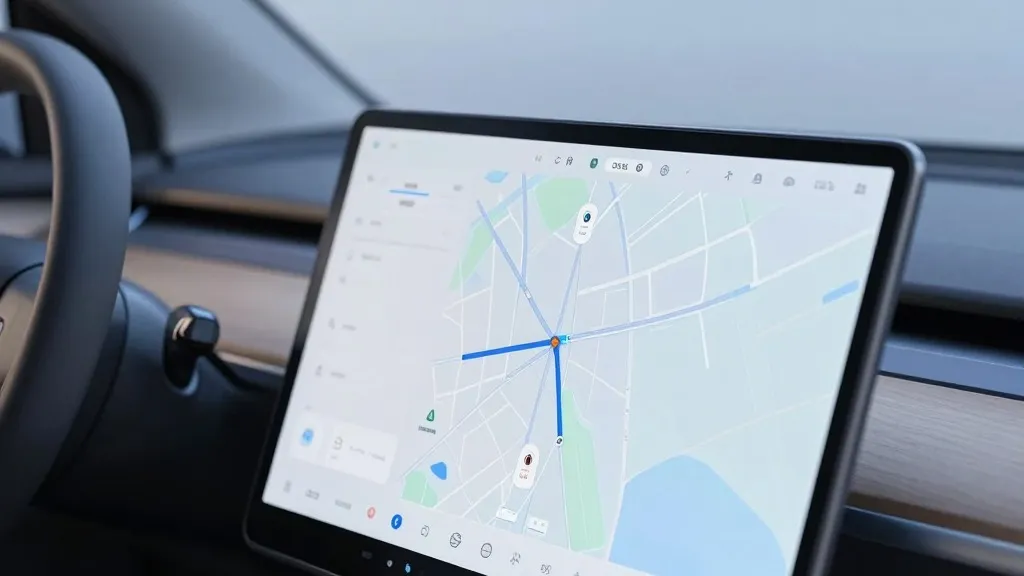
Current operating zones for this service are small. Tesla's Robotaxi network functions in six US metros. Most service areas cover only small portions of those cities. For example, the Miami zone covers mostly West Miami and a strip toward Doral and Sweetwater. Similar small zones exist in Orlando and Tampa. Within these areas, cars stay on low-speed routes. They largely avoid highways and harder parts of town. In the Bay Area, the service is not unsupervised. California rules require a safety driver in every car. This is because Tesla does not want to release data to the California DMV.
The fleet size is also limited. Tesla says Robotaxi reached nearly 2 million cumulative unsupervised miles by the end of Q3. This number followed the addition of Cybercab to the Austin fleet in September. Third-party tracking from this spring showed the number of fully driverless Teslas on the road in the dozens. This is far from the hundreds of thousands Elon Musk had discussed. Waymo, by comparison, was in Orlando and Tampa before Tesla. Waymo has over 3 million miles.
This plan differs from the original sales pitch. For years, buyers were told a car would eventually drive itself anywhere through a software update. In July 2025, Musk told investors unsupervised FSD would be available for personal use by the end of that year in certain geographies. A year prior, he said he would be surprised if Tesla did not have unsupervised self-driving the following year. Some owners who bought FSD have been told their computers cannot run unsupervised FSD. There is no clear upgrade plan for them.
The focus for now remains on safety. Elluswamy stated that safety is the bottleneck. This is why the system limits itself to low-speed roads and specific environments. He guesses that safety issues will be fixed by next year, but he does not know. The company is not promising unsupervised commutes for owners. This is unless a person lives and works inside one of the specific zones. The plan involves no highway road trips.
The timeline for this release remains uncertain. Tesla has not provided a specific date for when this capability will be available. The company is waiting on safety issues to be resolved. No further details were given on the timeline for addressing these issues. The Q2 2027 date is the only schedule provided. The rollout will be limited to areas where Tesla's Robotaxi operates. The service will be run by Tesla.
Source: Electrek