Tesla sets end-of-year target for first robotaxi sales
The company plans to begin delivering its steering wheel-less vehicle to private owners this year, though most units will initially remain in the corporate fleet.
By Mariana Delgado ·
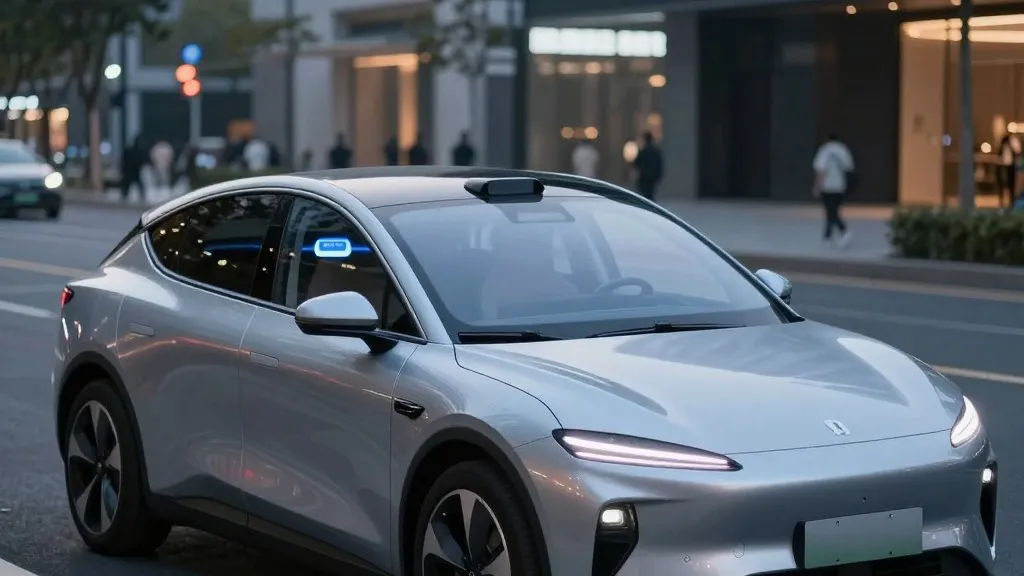
The long-standing question of when the Cybercab would hit the market has finally received a concrete answer.
During the third-quarter 2026 earnings call held on October 21, Tesla executives confirmed that the company intends to start delivering its autonomous vehicle to private customers before the end of the year. This timeline marks a significant shift from previous vague statements, putting a specific date on the rollout of the two-seater robotaxi. The announcement comes as Tesla continues to build the vehicle at its Gigafactory in Texas.
Lars Moravy, the Vice President of Engineering, provided the primary details regarding the delivery schedule. He stated that the goal is to get these units into customer hands by December 2026. However, he clarified that the initial production run is not yet destined for private buyers. Currently, every unit rolling off the assembly line is being added to Tesla's internal robotaxi fleet. This suggests that the private market will only see vehicles once the internal network reaches a certain scale.
The structure of the sale appears to be more of a service than a traditional car purchase. Elon Musk emphasized that the Cybercab is designed primarily as a transport-as-a-service offering. He noted that the vast majority of these vehicles will remain owned by Tesla rather than being sold directly to individuals like the Model 3 or Model Y. This approach mirrors the way the company operates its existing ride-hailing service, where the asset stays with the provider.
For those who do eventually buy a Cybercab, the experience may differ from buying a standard passenger car. Moravy explained that early deliveries will be limited in volume. The company plans to start small to gain experience in several areas, including logistics, fleet management, and the specific ownership models required for autonomous vehicles. This cautious approach allows Tesla to test how well the system works outside of its direct operational control.
The vehicle itself is a stark departure from traditional automotive design. It features no steering wheel and no pedals, relying entirely on Tesla's Full Self-Driving software. Production has been underway since February of this year. In early September, Tesla began using these early units in its public robotaxi service, allowing riders to book trips without a human driver at the wheel. The price point has previously been indicated to be around $30,000, which is significantly lower than many of Tesla's other models.
Despite the production timeline, there are still regulatory and technical hurdles to clear. Ashok Elluswamy, Tesla's Head of AI, indicated that unsupervised Full Self-Driving is expected to arrive in consumer cars during the second quarter of 2027. This suggests that early Cybercab owners might face geographic restrictions on their autonomous capabilities. These limits would be imposed by lagging regulatory agencies that have not yet fully approved the technology for all areas.
The interplay between the robotaxi fleet and private ownership remains a key point of interest. While the company aims for private sales this year, the bulk of the fleet will likely continue to operate under Tesla's management. This hybrid model raises questions about how the company will balance the needs of its ride-hailing service with the expectations of private owners who purchase the vehicle for personal use.
As the year draws to a close, the automotive industry will be watching closely to see if Tesla meets its stated deadline. The success of this rollout could define the next phase of the company's growth strategy, moving beyond selling cars to selling mobility as a service. Whether the private sales will be a major part of the mix or just a small pilot program remains to be seen, but the clock is now ticking.
For now, the focus is on the internal fleet, which is expanding rapidly. The transition from a purely corporate service to a mixed model of corporate and private ownership will be a critical test for Tesla's engineering and management teams. The coming months will reveal how quickly the company can move from testing to selling.
Source: Teslarati