Federal rules propose a blue-green light for robotaxis
New guidelines aim to standardize how self-driving vehicles indicate they are operating autonomously.
By Anastasia Volkova ·
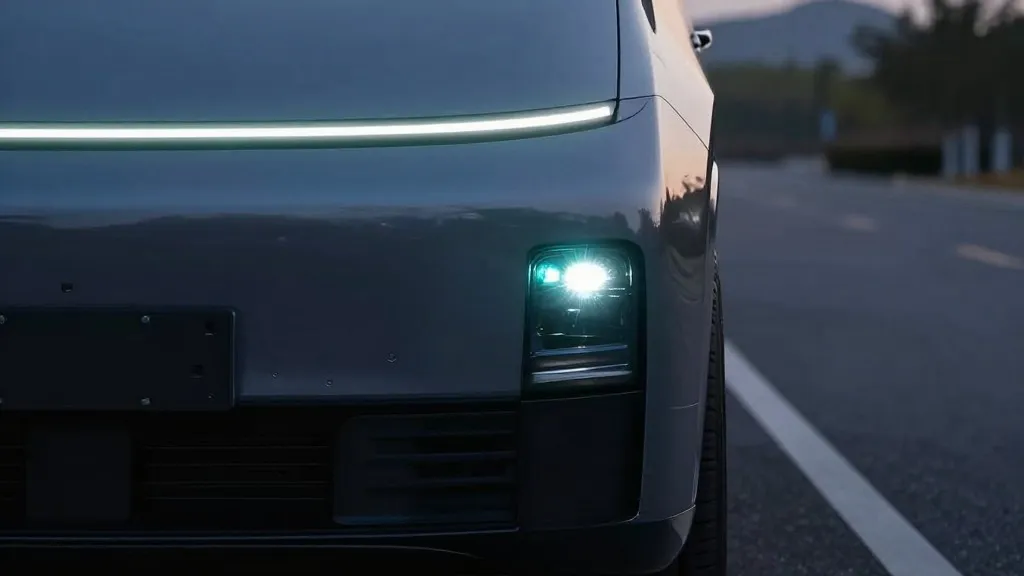
For pedestrians and other drivers, the visual cues used by self-driving cars have often been inconsistent. While some vehicles flash text or use audio alerts, the National Highway Traffic Safety Administration (NHTSA) is now proposing a unified standard: a distinct cyan-colored light. This change would provide a clear, national signal to everyone on the road that a human is not at the wheel.
The proposal involves rewriting parts of Federal Motor Vehicle Safety Standard No. 108 to specifically address autonomous vehicles. The agency suggests that robotaxis should install cyan marker lamps to indicate when an automated driving system is in control. This color was chosen because the automotive industry already relies on red, amber, white, and flashing blue or red lights for brakes, turn signals, headlights, and emergency vehicles. Cyan is intended to fill a visual gap, ensuring that the signal is distinct and does not confuse other road users or law enforcement.
There is existing precedent for this kind of lighting. Mercedes-Benz previously received state-level approval to use turquoise lights on its Level 3 Drive Pilot vehicles. Although the automaker has since abandoned that specific plan in favor of a Level 2++ system, the new federal rules aim to create a consistent national standard. This would allow operators such as Waymo, Nuro, and Zoox, along with manufacturers like GM and Mercedes, to adopt the same lighting configuration across different fleets and regions.
Under the proposed rule, cyan marker lights would not be mandatory for all manufacturers. However, the NHTSA intends to set official standards for the color, brightness, and placement of these lamps. By defining these parameters, the agency hopes to prevent a confusing patchwork of different colors and signals from emerging in the market. If an automaker chooses to add the lights, they would be required to use a legal and consistent setup.
In addition to adding new lighting requirements, the proposal seeks to remove outdated rules that do not apply to vehicles without human drivers. Current regulations require physical components such as hazard switches, manual beam shifters, and turn levers inside the cabin. The NHTSA proposes eliminating these requirements to accommodate vehicle designs that lack traditional controls. The agency is also considering updating the 12.8-volt testing standard to align with modern LED architectures, reducing administrative burdens for automakers.
These regulatory changes are part of a broader effort by the Department of Transportation to streamline the deployment of autonomous vehicles. The goal is to make it easier for manufacturers to build cars that may eventually omit steering wheels and pedals. However, the agency is still enforcing current rules strictly. Last month, the NHTSA launched an audit into the Tesla Cybercab to review the technical data Tesla used for its certification. The focus of that review included the vehicle's lack of sideview mirrors, pedals, and a steering wheel, all of which are currently required under existing federal standards.
The stakes for the industry lie in balancing innovation with safety and clarity. By standardizing the cyan light, the government aims to make self-driving vehicles more recognizable and predictable to the public. For manufacturers, the removal of obsolete controls requirements could accelerate the design of truly autonomous cars. For ordinary road users, the introduction of a uniform signal could reduce uncertainty and improve overall traffic safety as driverless vehicles become more common.
Source: The Verge